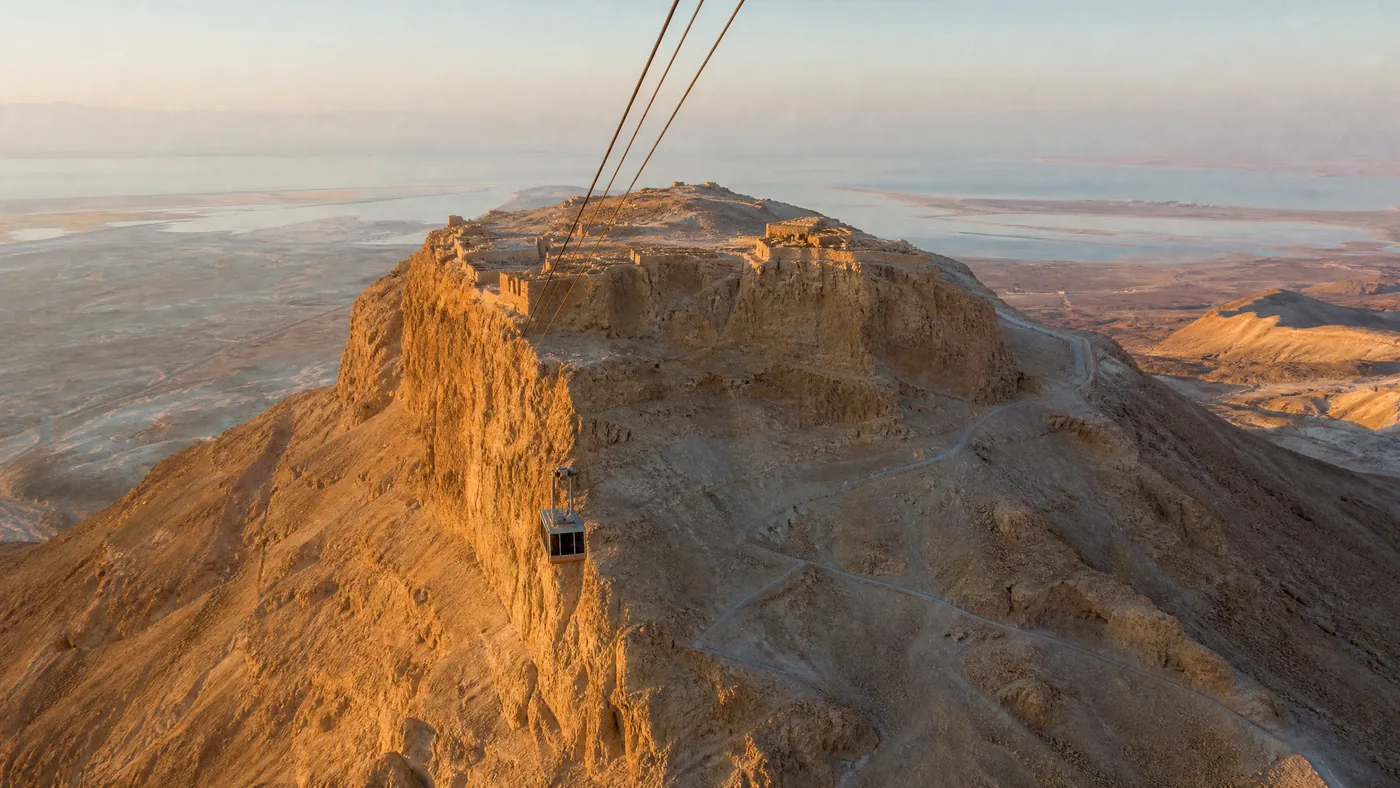
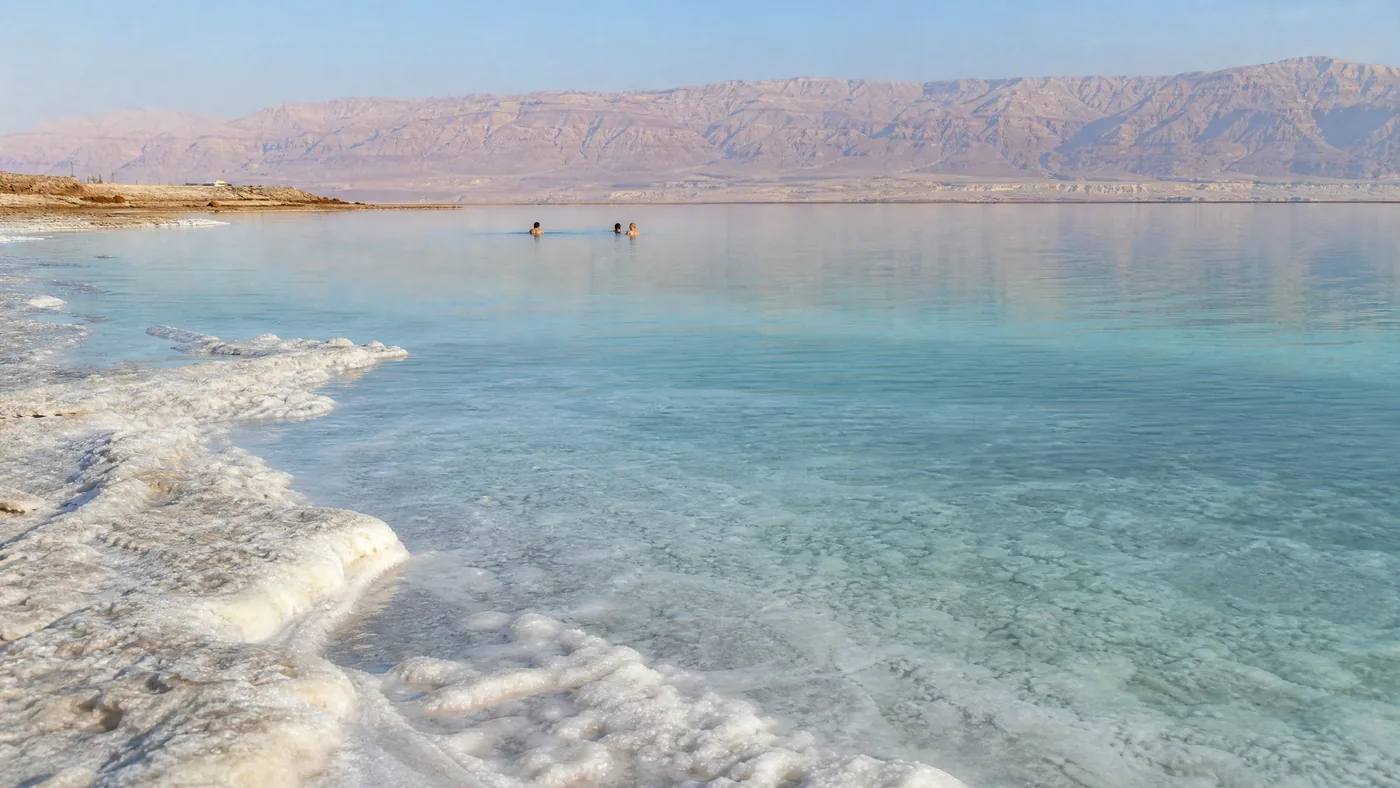
Booking choice: The Masada and Dead Sea tour, from $115 per person. Check dates Tour details
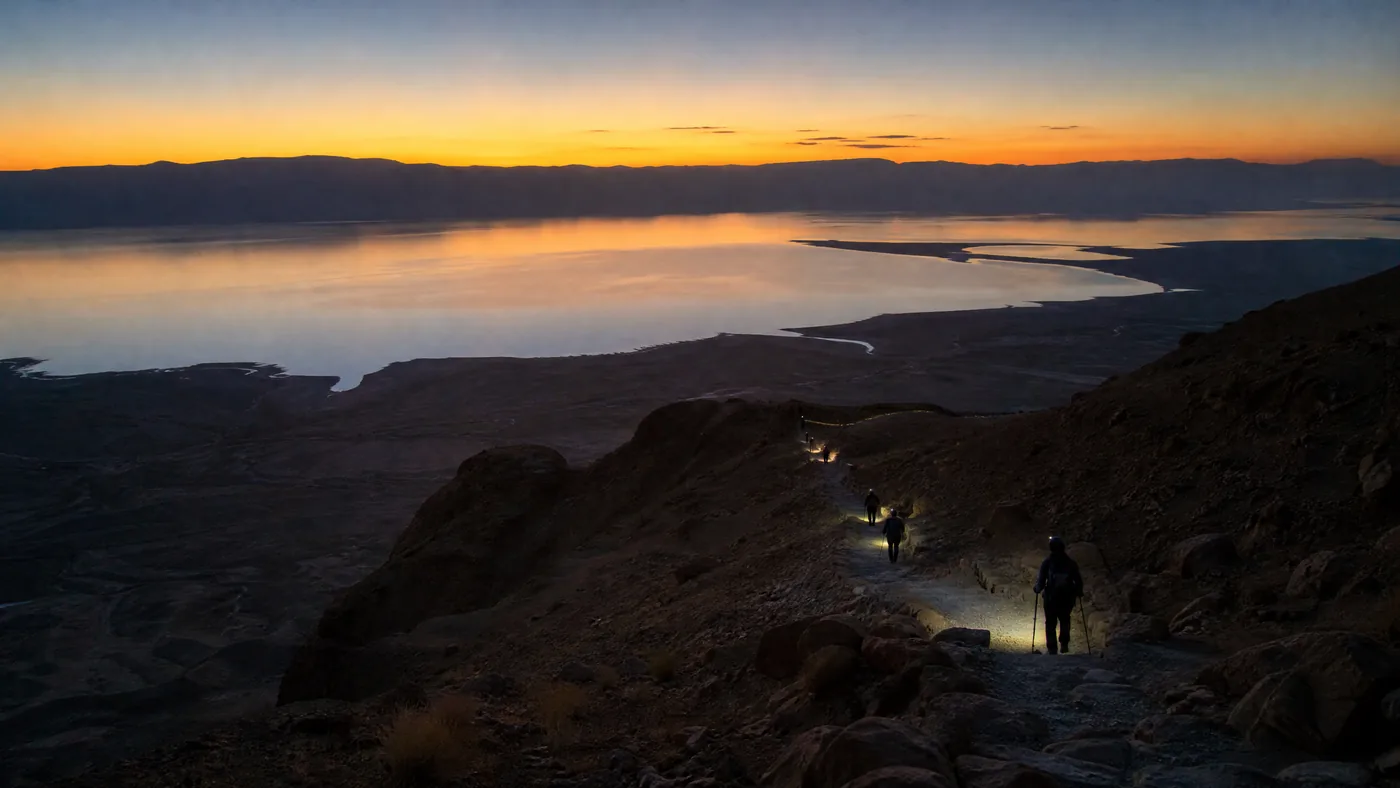
Most people picture the Dead Sea in blazing heat, and for half the year that picture is right. From November to March it turns into something gentler. The sun is low, the air is dry and mild, and the Snake Path up Masada is a pleasure rather than an endurance test.
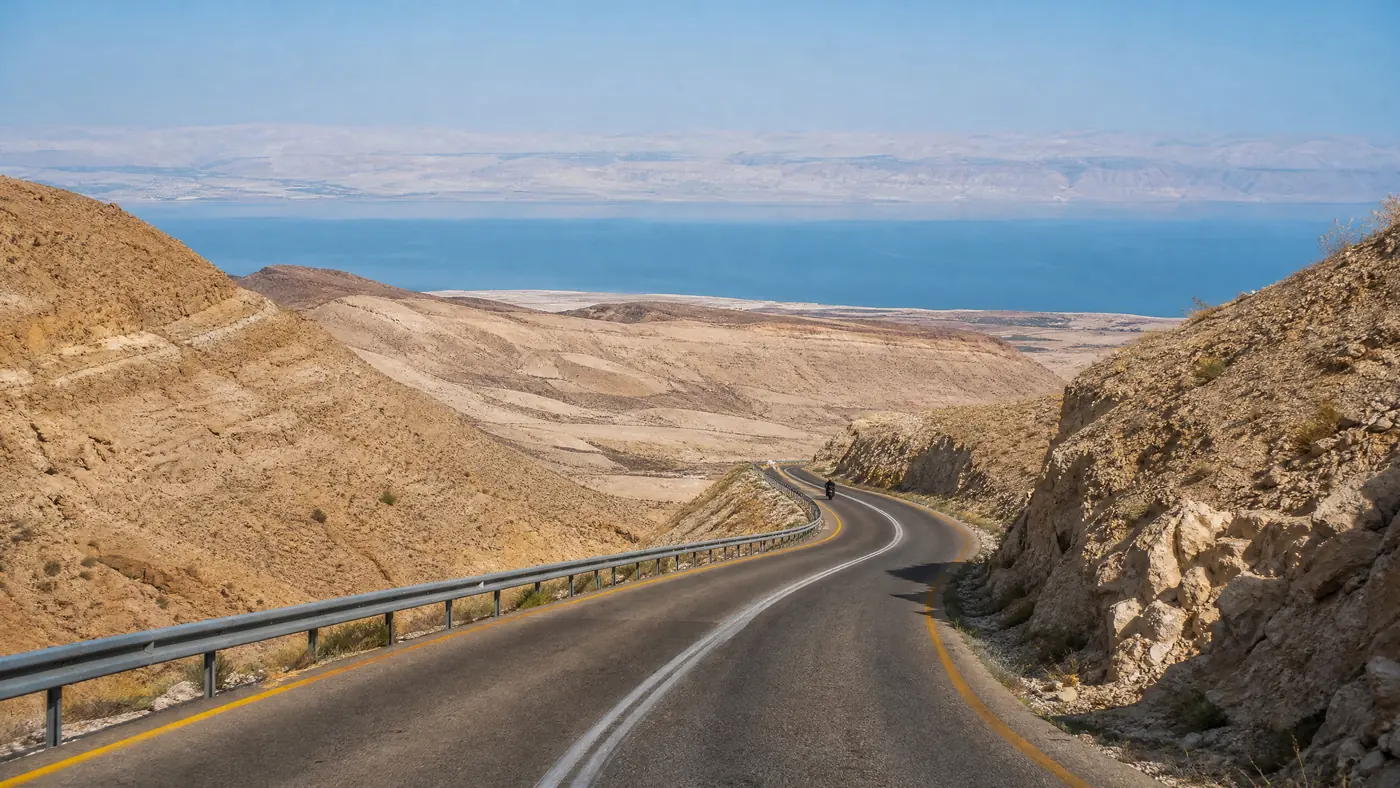
Below: the temperatures month by month, how short the days get, the Shabbat and holiday dates that shape a winter trip, and what to know about rain in the desert. For the drive itself, see our Jerusalem to the Dead Sea guide.
The quick answer
Winter at the Dead Sea is mild: average highs of about 20 to 27 °C from November to March and water of about 21 to 24 °C. The catch is the light. Sunset comes at about 4:40 PM in December, Masada closes at about 4 PM, and Shabbat starts early on Fridays. Hanukkah runs from the evening of 4 December to 12 December 2026 and fills the desert parks with families.
When is the best time to visit the Dead Sea?
Spring, autumn and winter. From November to March the shore is warm without the summer heat, which averages close to 40 °C in July.
The Israel Meteorological Service station at Sedom, at the southern end of the sea, gives the honest picture. July averages a daily high of 39.7 °C, and on the hottest summer days the park closes the Snake Path by 8 AM or 9 AM. In January the average high is 20.5 °C. That is shirt-sleeve weather in the middle of the day, with cool mornings and evenings.
March, April, October and November sit in between and suit people who want a proper beach day. December to February is the pick for walkers. Masada, Ein Gedi and the climb up the Snake Path are far easier when the rock is not radiating heat, and the sea is still warm enough for a long float. The table below sets the months side by side.
| Month | Average high | Average low | Water (about) | Rain days |
|---|---|---|---|---|
| November | 26.9 °C | 19.3 °C | 23 to 29 °C | 1.6 |
| December | 21.7 °C | 14.1 °C | 22 to 24 °C | 2.8 |
| January | 20.5 °C | 12.7 °C | 21 to 23 °C | 3.3 |
| February | 21.7 °C | 13.7 °C | 21 to 23 °C | 3.5 |
| March | 24.8 °C | 16.7 °C | 21 to 24 °C | 2.5 |
How warm is the Dead Sea water in winter?
About 21 to 24 °C from December to March, according to sea temperature records for En Gedi. That is warmer than the air on many winter mornings.
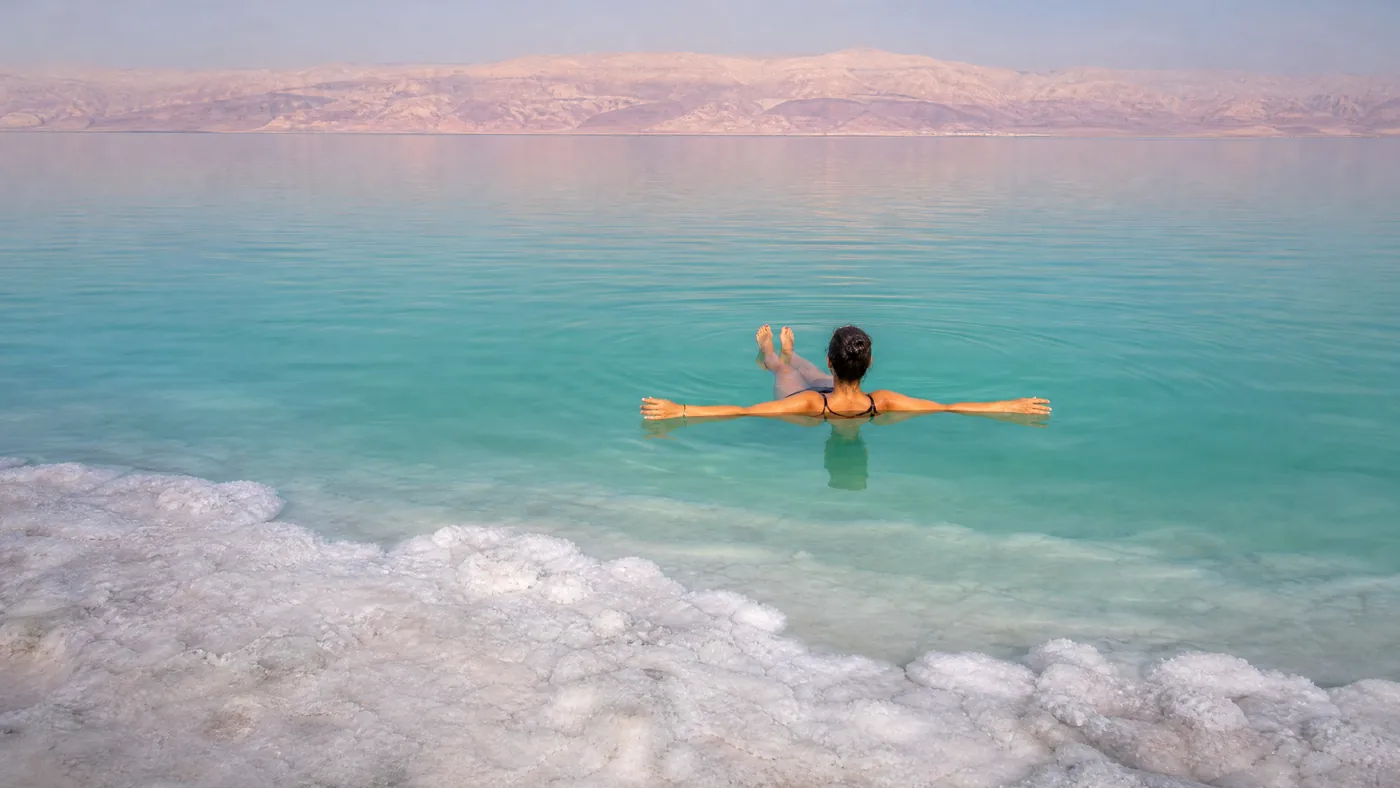
A big body of water holds its heat. In winter the sea is warmer than the land around it, and in summer the reverse is true, so a January float feels more like a lukewarm bath than a cold plunge. The heavy, oily water and the low sun make it pleasant to lie back for the ten or fifteen minutes most people manage.
The cold part is getting out. Wind on wet skin chills fast, and the freshwater showers on the beaches are where you rinse the salt off before you dry. Bring a big towel and a warm layer for afterwards. On the half-day float trip, towels are not included and can be rented for 15 NIS at the meeting point. More on how long to stay in and how to float in our floating guide.
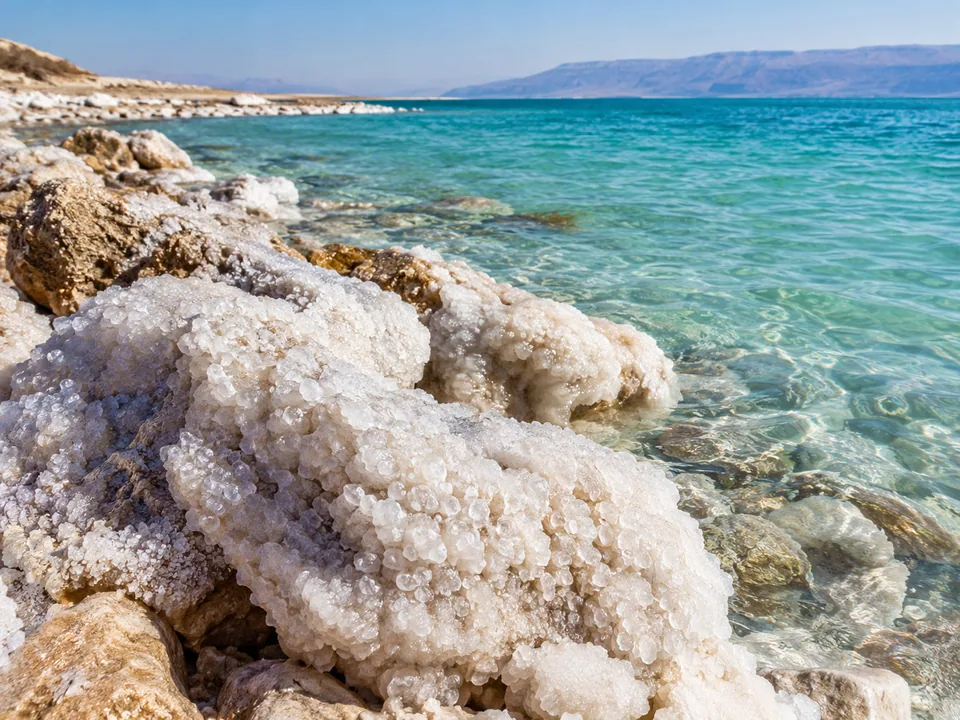
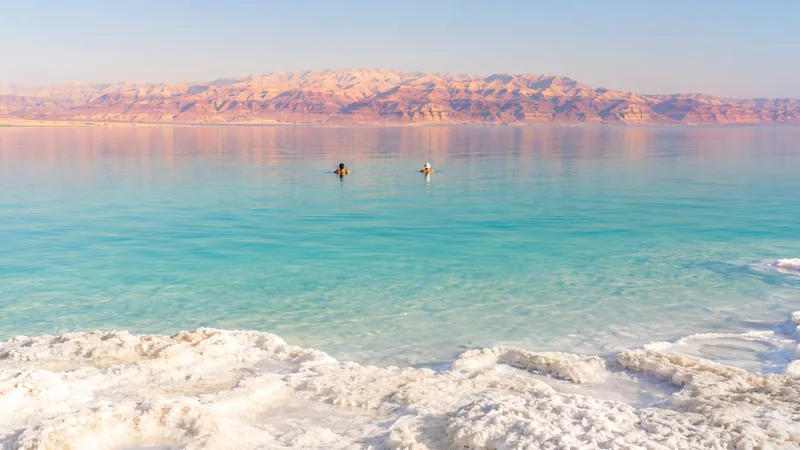
About three hours on a private beach in the north, with transport from Jerusalem and the beach entry paid, back by early afternoon.
Explore the half-day Dead Sea float Tour detailsHow short are the days at the Dead Sea in winter?
About ten hours of daylight in December, with sunset at about 4:40 PM. Masada closes at about 4 PM in winter and at about 3 PM on Fridays.
Israel moved its clocks back on 25 October 2026 and moves them forward again on 26 March 2027. From December to February the sun rises at Masada between about 6:20 AM and 6:38 AM and sets between about 4:36 PM and 5:35 PM. The darkest stretch is around the solstice, when the sun is up for barely more than ten hours.
That changes how you plan. A day with Masada, Ein Gedi and a float needs an early start, because the parks shut in the late afternoon and the beaches lose the sun soon after. Organised tours build the day around this, which is one reason they leave Jerusalem early. If you want to climb Masada for sunrise, winter is the kindest season, with the path opening at about 5:30 AM rather than 4:30 AM. See our Masada sunrise times by month.
Hotel pickup, the cable car up Masada and a float, with every entry fee in the price and the day timed around the light.
Check dates for the Masada and Dead Sea tourWhat changes on Shabbat and Jewish holidays this winter?
Public buses stop from Friday afternoon to Saturday evening, and in midwinter Shabbat starts early because the sun sets before 5 PM. Hanukkah brings the busiest week of the season.
Shabbat runs from sunset on Friday to nightfall on Saturday. Egged buses from Jerusalem Central Bus Station stop well before it begins, so a Friday trip by bus means an early return, and Saturday has no service until the evening. Masada keeps short Friday hours, and holiday eves usually close at about 1 PM. On Saturday the national parks open as usual, but you need a car or a tour to reach them.
Hanukkah is the big one. Israeli schools break for the festival, and Masada, Ein Gedi and the beaches fill with families during the eight days. Christmas brings pilgrims to Bethlehem and Jerusalem, and Christmas Day falls on a Friday this year, so it runs straight into Shabbat. A booked tour with pickup does not depend on the bus timetable. Check the calendar on the booking page for the day you want.
| Date | What happens | What it means for a Dead Sea trip |
|---|---|---|
| 25 October 2026 | Clocks go back one hour | Earlier sunrise and sunset all winter |
| 4 to 12 December 2026 | Hanukkah | School holiday crowds at Masada, Ein Gedi and the beaches |
| 24 and 25 December 2026 | Christmas Eve and Christmas Day | Busy in Bethlehem; Christmas Day is a Friday |
| 23 January 2027 | New Year of the Trees | Falls on Shabbat; no buses that day |
| 23 and 24 March 2027 | Purim, Shushan Purim in Jerusalem | Festive streets in Jerusalem, a normal day at the sea |
| 26 March 2027 | Clocks go forward one hour | Sunrise jumps from about 5:37 AM to about 6:36 AM |
Does it rain at the Dead Sea, and what about flash floods?
Rarely. Sedom gets about 42 mm a year over some 16 rain days, mostly from November to March. The real winter risk is flash floods from rain in the hills above.
A wet day at the Dead Sea is unusual, and when it rains it seldom lasts. The danger comes from the Judean hills to the west. Rain there pours into the dry riverbeds, the wadis, and runs down to the sea in a fast brown wall of water, sometimes under a clear sky at the shore. Police have closed Route 90 between Ein Bokek and Ein Gedi during floods, a flood once broke part of the road near the Kidron, and the Nature and Parks Authority has had to rescue hikers caught in canyons.
For a visitor this mostly means a change of plan, not a lost day. Trails at Ein Gedi can close when floods are forecast. One guest on the bus trip wrote that Ein Gedi was shut by a flash flood and the group went to Qumran instead, which they found "quite interesting". Look at the forecast the day before, never walk into a wadi when a flood warning is out, and keep the free cancellation in mind: every tour on this site cancels free up to 24 hours before.
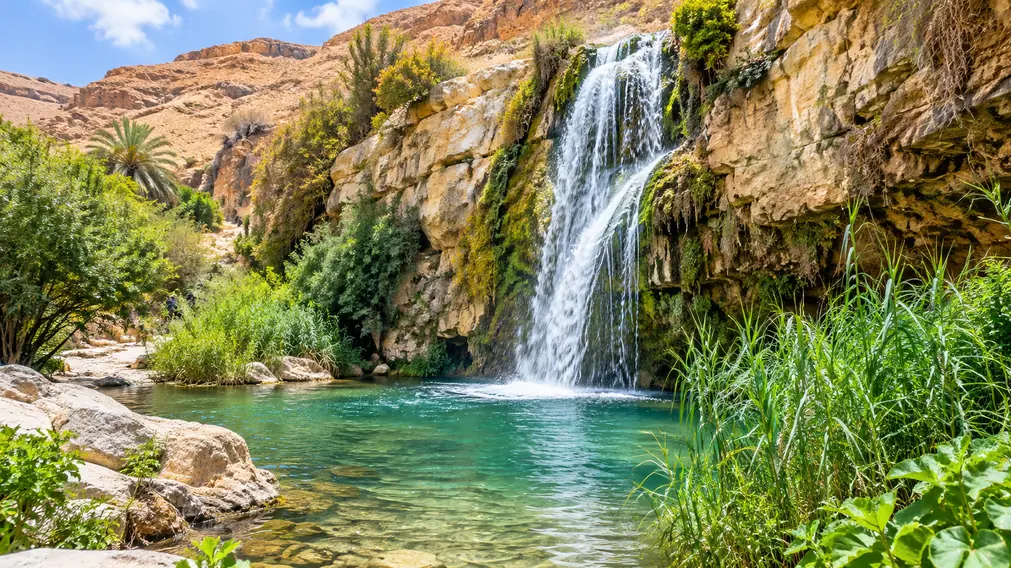
Which Dead Sea day trip suits a winter day?
A full day with the fees already paid, or the half-day float if you only want the water. Both fit the short winter light.
The Masada and Dead Sea tour is the simplest winter choice. It takes 10 hours, picks you up in Jerusalem, and includes a guide, the Masada entry, the round-trip cable car and the Dead Sea entry, from $115. Guests name Daniel, Udi and Eli as guides. For the water alone, the half-day float gives you about three hours on a northern beach for $50 and has you back in Jerusalem by early afternoon.
Walkers should look at the Masada sunrise trip. In winter the Snake Path opens at a civilised hour, and the climb is cool. It is self-guided transport with the beach paid, and the park fees of 37 NIS for Masada and 31 NIS for Ein Gedi are yours to pay. The guided Masada and Ein Gedi tour is the cheapest guided option at $99, with all fees on top, about 167 NIS.
| Tour | From | Length | What the price covers |
|---|---|---|---|
| Masada and Dead Sea tour | $115 | 10 hours | Pickup, guide, Masada entry, cable car, Dead Sea entry |
| Half-day Dead Sea float | $50 | 5 hours | Transport and beach entry; self-guided |
| Masada sunrise trip | $106 | 10 hours | Transport and beach entry; Masada and Ein Gedi fees extra |
| Guided Masada and Ein Gedi tour | $99 | Full day | Transport and guide; all fees extra |
The Snake Path in the cool winter dawn, then Ein Gedi and a float, with transport and the beach paid.
Check dates for the Masada sunrise tripFrequently asked questions
Is it too cold to swim in the Dead Sea in winter?
No. The water is about 21 to 24 °C from December to March, often warmer than the air. You float rather than swim, and the chilly moment is getting out, so bring a towel and a warm layer.
When is Hanukkah 2026?
The first candle is lit on the evening of Friday 4 December 2026, and the festival ends on Saturday 12 December. Israeli schools are on holiday, so Masada, Ein Gedi and the beaches are busy that week.
Can you visit the Dead Sea on Shabbat?
Yes, but not by public bus. Buses stop from Friday afternoon until Saturday evening. The national parks open on Saturday, so a car or a tour with pickup is the way to go.
Is December a good time to visit the Dead Sea?
Yes, for walking and floating. Average highs are about 22 °C and the water is warm. Plan around the short days: sunset comes at about 4:40 PM, and Masada closes at about 4 PM.
Ready to book
Choose your day trip
Free cancellation up to 24 hours before on every option. Prices are from-prices in USD and move with the season.
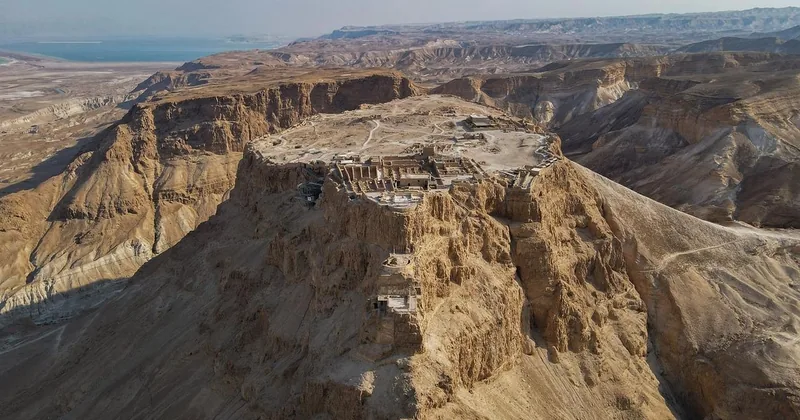
Masada and Dead Sea Day Tour with Pickup
- Pickup and drop-off in Jerusalem
- Professional guide, air-conditioned coach
- Masada entry and the round-trip cable car
Dead Sea Float: Half-Day Trip
- Air-conditioned transport from Jerusalem
- Beach entry fee
- Written guidance in an app
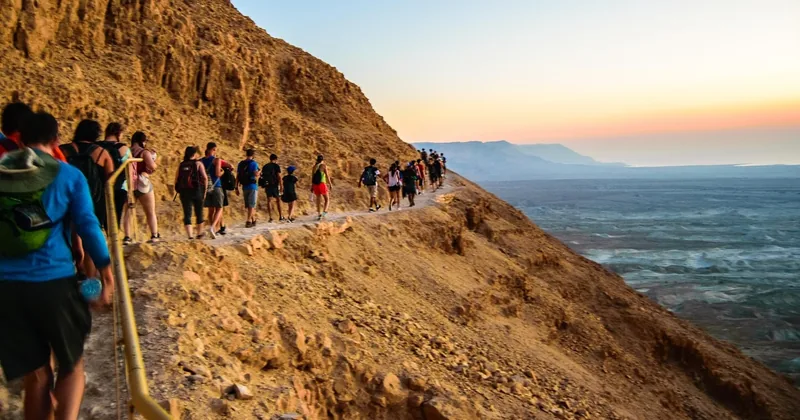
Masada Sunrise, Ein Gedi and Dead Sea
- Air-conditioned transport from Jerusalem
- Dead Sea beach entry
- Masada (37 NIS) and Ein Gedi (31 NIS) paid on the day