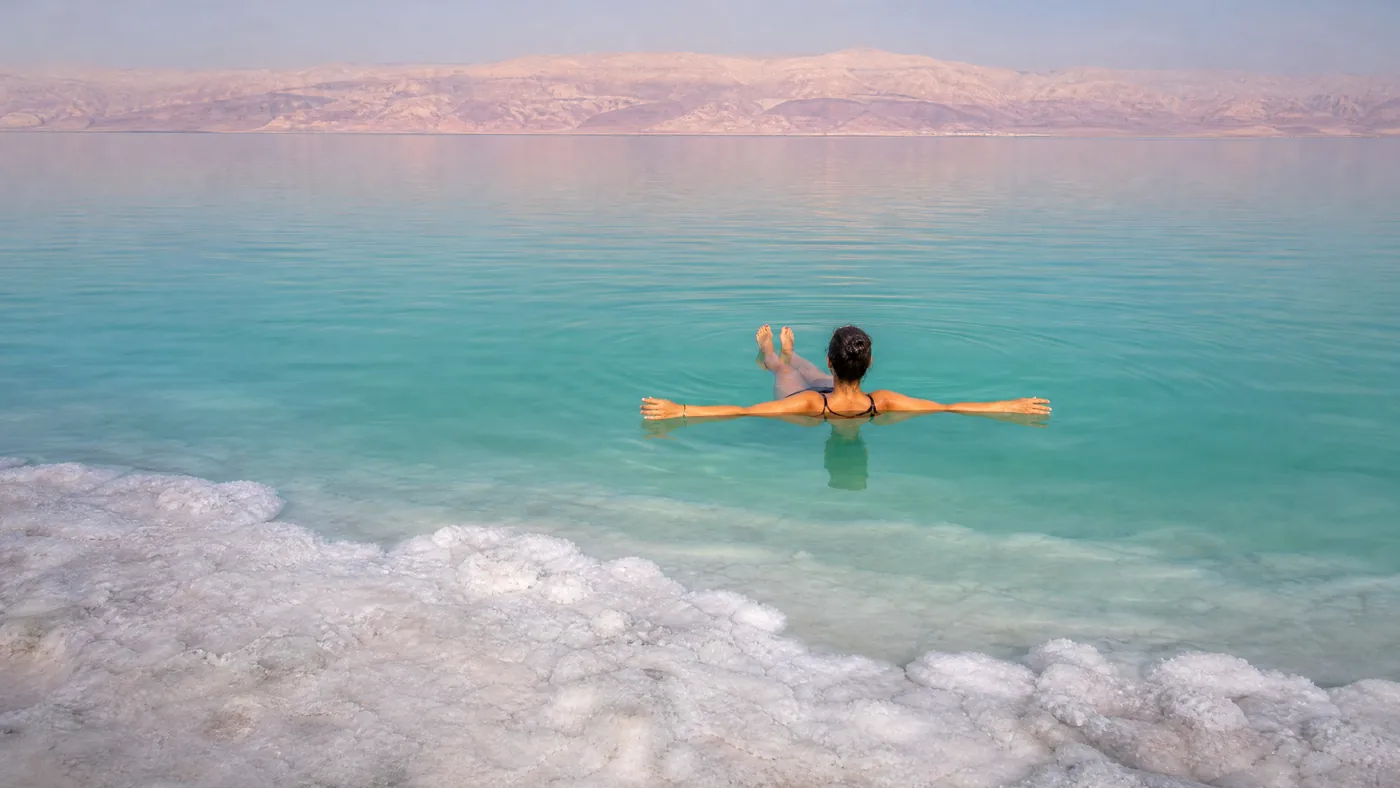
Booking choice: The half-day Dead Sea float, from $50 per person. Check dates Tour details
The Dead Sea is about ten times saltier than the ocean. Dissolved salt makes the water dense, and dense water pushes you up: your legs pop to the surface and you sit in the sea as if it were a chair. It is strange and funny the first time.
It is also easy to get wrong. Salt water in the eyes stings badly, and a swallowed mouthful is dangerous. This guide covers how to get in, how long to stay, the mud, the smell, and what to bring.
The quick answer
You cannot sink in the Dead Sea, and you should not try to swim on your front. Walk in slowly, sit back, and float face up with your face out of the water. Keep each float short, rinse under the freshwater showers, and bathe only at a declared beach with a lifeguard on duty. Bring water shoes, a towel, a hat and drinking water, and do not shave for a couple of days before.
Can you swim in the Dead Sea?
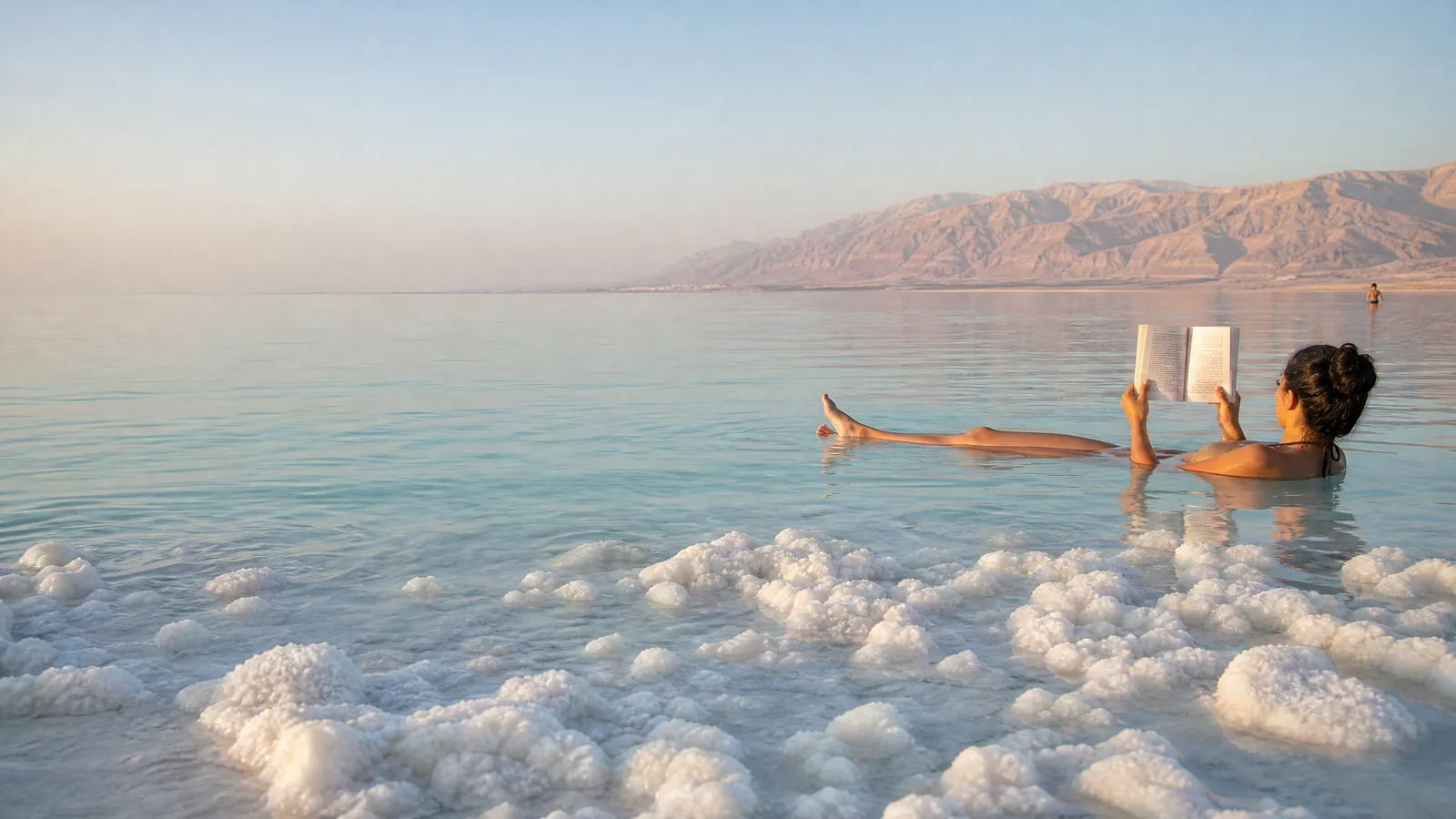
Not in the usual way. You float on your back; swimming strokes splash salt water into your face.
The salinity is about 34%. That makes the water so dense that your body rides high, and a front crawl tips your face into the brine. The deadsea.com rules are short: walk in slowly, sit before you recline, keep your face clear, do not dive, do not swallow the water. Floating is the whole experience.
Buoyancy does not remove the risk of drowning. People who roll onto their front can struggle to turn back, so bathe only where a lifeguard is on duty and stay near the shore.
Why can't you sink in the Dead Sea?
Because the water is far denser than your body. About a third of it is dissolved salt.
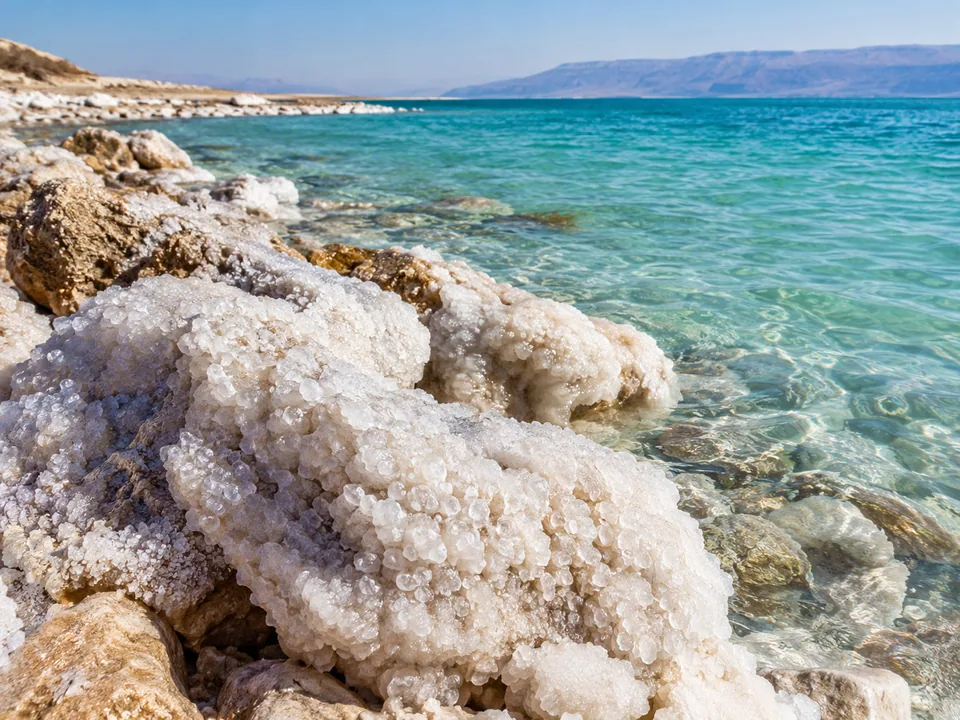
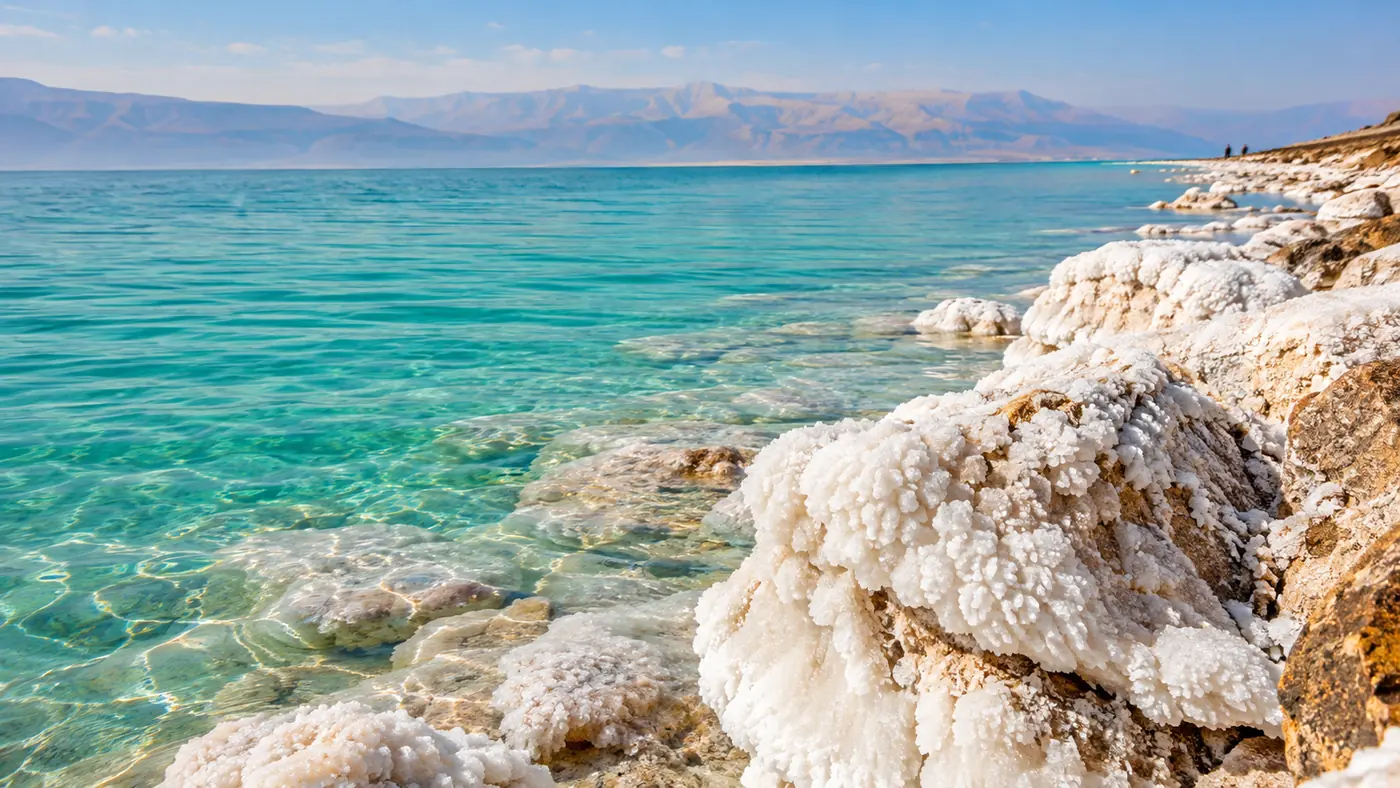
Rivers and springs bring salts into the basin, and the only way out for the water is evaporation. The salt stays behind and concentrates. Nothing like fish or seaweed can live in it, which is where the name comes from; only salt-loving microbes survive.
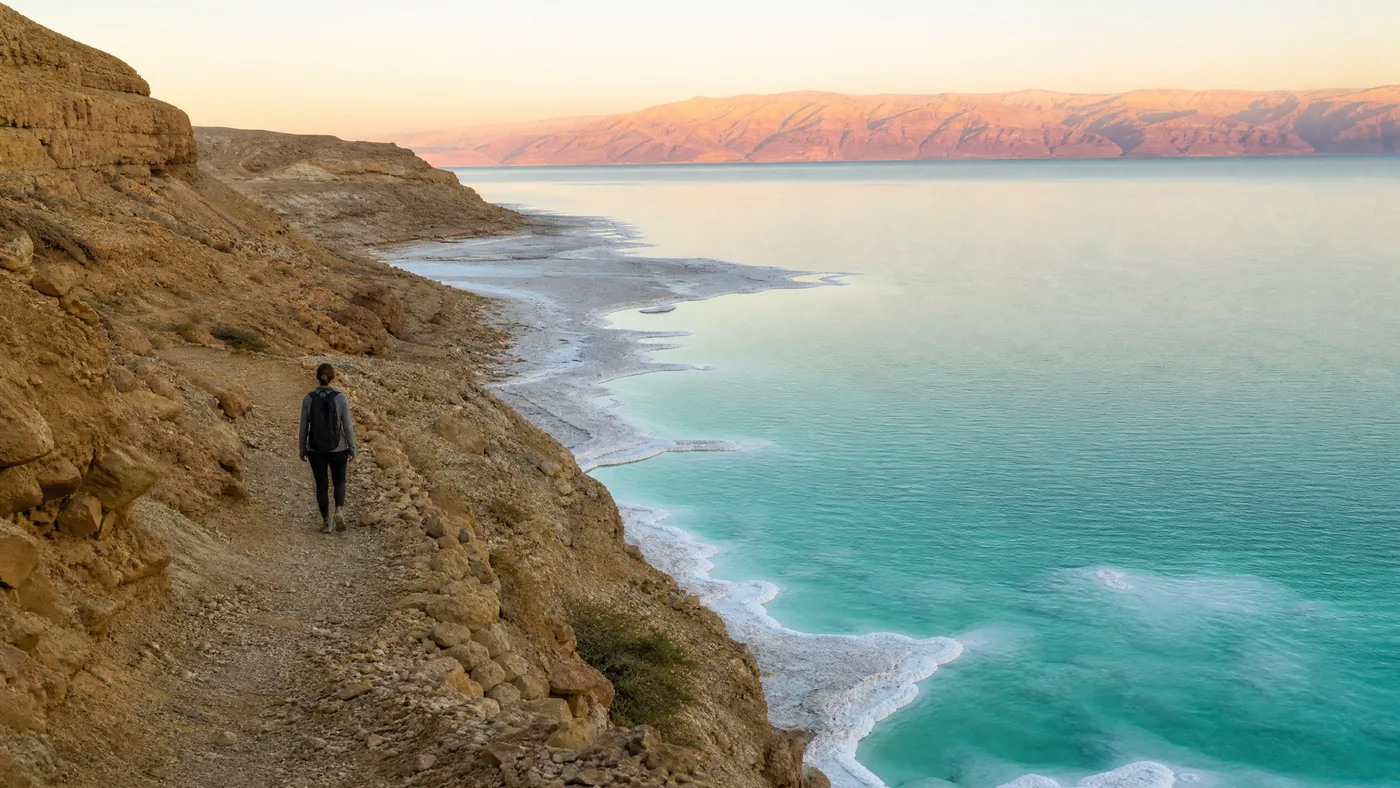
The surface lies about 439 metres below sea level and falls by about a metre a year. The shrinking sea post explains why.
How do you get in and out of the Dead Sea?
Slowly. Walk in to about waist depth, sit back as if into a chair, and let your legs float up.
- Wear water shoes: the salt crystals on the seabed are sharp, and some beaches are stony.
- Walk in, then sit: lean back with your arms out to the side, and your feet will rise on their own.
- Keep your hands dry: do not touch your eyes or face with wet hands.
- To stand up: pull your knees to your chest, push your hands down and tip forward onto your feet.
- Rinse off: the freshwater showers on the beach are the first stop when you come out.
If salt water gets in your eyes, do not rub them. Call the lifeguard or ask someone to walk you to the shower and rinse with fresh water.
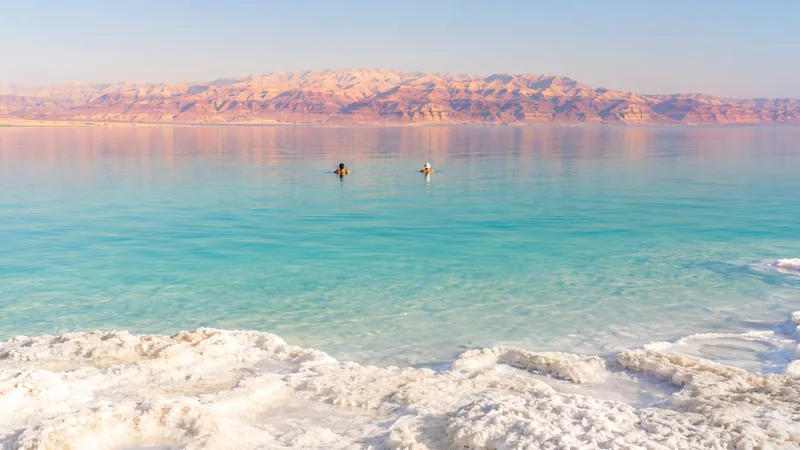
About three hours on a northern beach with the entry paid, back in Jerusalem by early afternoon. Free cancellation up to 24 hours before.
Explore the half-day Dead Sea float Tour detailsHow long can you stay in the Dead Sea?
Short floats are best: about 10 to 20 minutes at a time, then a rinse, water and shade. MIT's travel guide for its students puts the limit at 30 minutes.
The salt draws moisture from your skin and stings any small cut or graze. In summer the air passes 40 °C at the south end, and the heat tires you faster than the water does. Two or three short floats with breaks in between feel better than one long soak.
Anyone with heart problems should check with a doctor first; the half-day float trip lists itself as unsuitable for people with heart conditions.
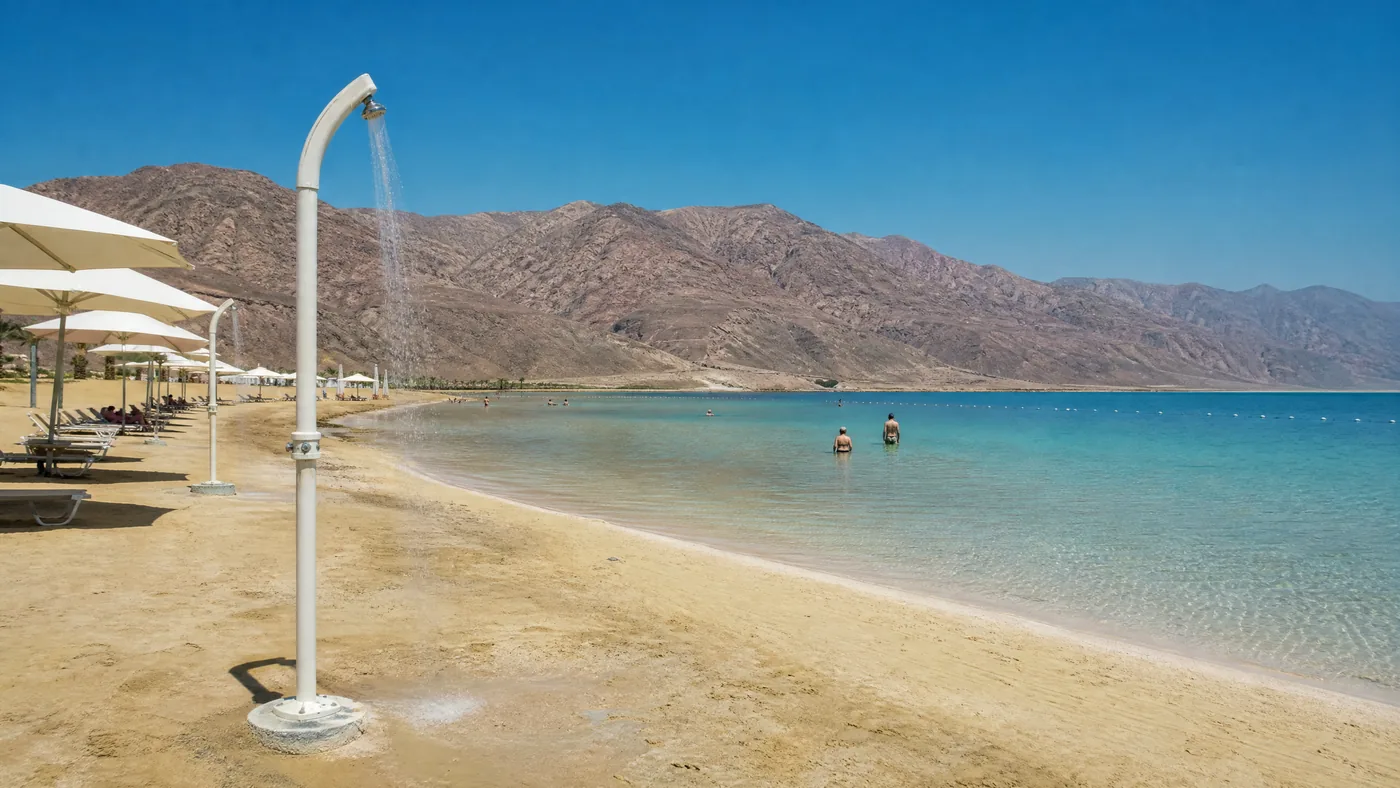
Is the Dead Sea mud good for your skin?
Many people say their skin feels soft for a day afterwards. Clinics on the shore have long offered climate and mud treatments for psoriasis and joint pain.
At Kalia and Neve Midbar the black mud comes with the admission, along the shoreline. Smear it on, let it dry in the sun for a few minutes, then wash it off in the sea and the showers. Keep it away from your eyes. It can stain light swimwear, so wear a dark costume.
The Dead Sea spa day adds a resort on the shore where massages and treatments can be booked in advance; it has 20 reviews so far, rated 4.5.
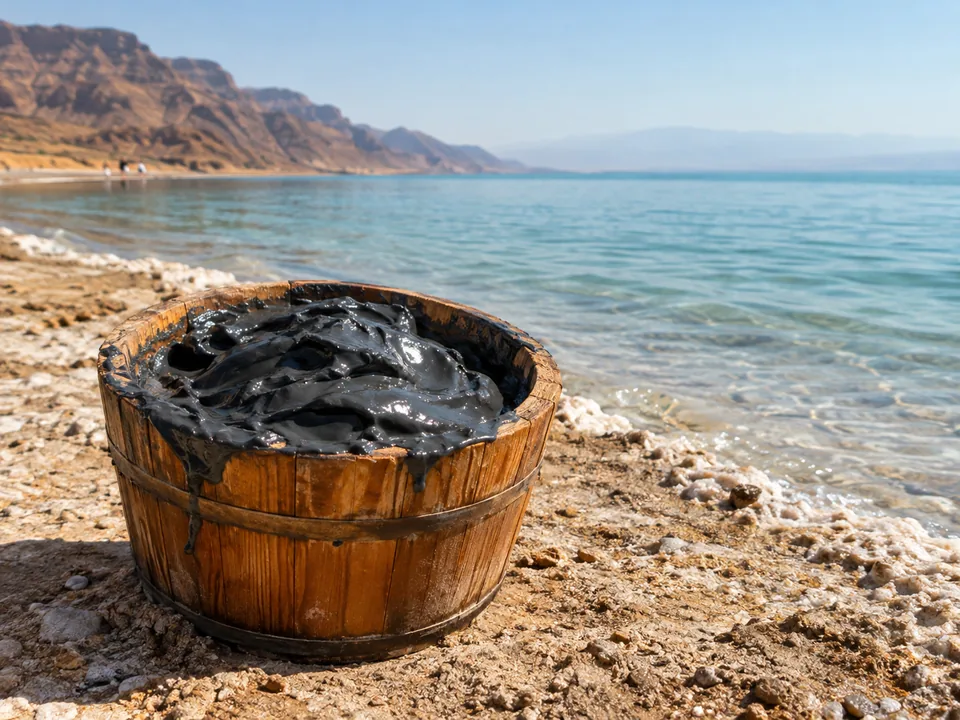
Does the Dead Sea smell bad?
A little, in places. Some spots along the shore have a sulphur smell, and medieval travelers called it the Stinking Lake.
On the managed beaches the smell is faint, and most people stop noticing it after a few minutes. The salty, mineral air is more noticeable than any smell. Mud and salt also cling to skin and hair, so plan a proper shower when you get back to your hotel.
A half-day float with the beach paid and the black mud on the shore, from $50.
Check dates for the half-day Dead Sea floatWhat should you bring to the Dead Sea?
Water shoes or flip-flops, a dark swimsuit, a towel, a hat, sunscreen and plenty of drinking water.
- Towel: not included on the self-guided trips; Abraham Hostel rents them for 15 NIS before departure.
- Drinking water: more than you think, and a snack. Beach cafés are pricey.
- Passport or a copy: the road runs through the West Bank, and every listing asks for it.
- A plastic bag: for the wet, salty swimsuit on the way home.
- Cash or a card: for lockers, food and any fees your tour does not cover.
Leave your phone and valuables in a locker, and skip shaving for a couple of days before; MIT's guide says three.
Where can you float in the Dead Sea from Jerusalem?
On a declared beach with a lifeguard: the paid northern beaches near Jerusalem, or the free public beaches at Ein Bokek in the south.
Never bathe on an empty stretch of shore. Sinkholes have opened along the western side as the sea retreats, and the old beach at Ein Gedi is closed. The Dead Sea beaches guide compares Kalia, Biankini, Neve Midbar and Ein Bokek.
Frequently asked questions
Can you sink in the Dead Sea?
No. The water is so dense you float on your back without effort. You can still drown if you roll face down, so stay on a beach with a lifeguard.
Can you put your head under in the Dead Sea?
No. Keep your face out of the water at all times. The salt stings the eyes badly and is dangerous to swallow.
Can you drink the Dead Sea water?
No. Swallowing it is dangerous. If you get a mouthful, spit it out, rinse with fresh water and tell the lifeguard.
Can children float in the Dead Sea?
Yes, with an adult right beside them and their faces kept dry. Several tours here do not take children under 4.
Ready to book
Choose your day trip
Free cancellation up to 24 hours before on every option. Prices are from-prices in USD and move with the season.
Dead Sea Float: Half-Day Trip
- Air-conditioned transport from Jerusalem
- Beach entry fee
- Written guidance in an app
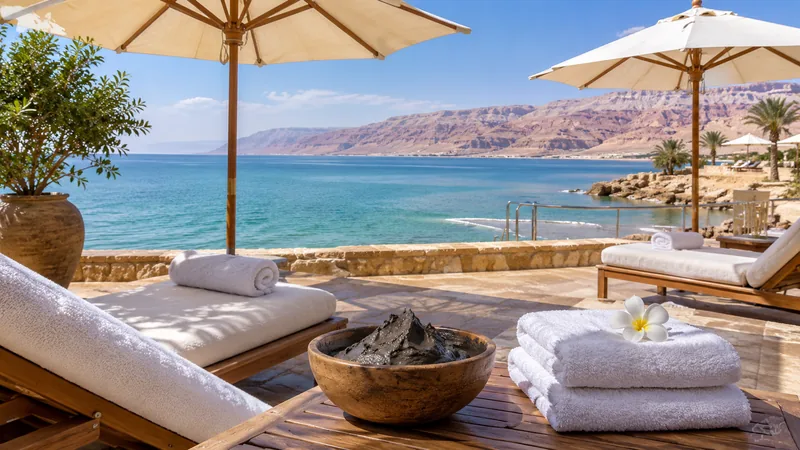
Dead Sea Spa and Sightseeing Day
A long day on the shore, with massages to book on top
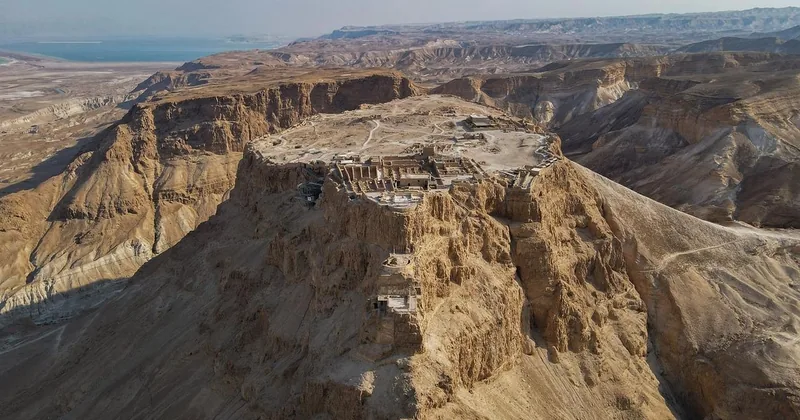
Masada and Dead Sea Day Tour with Pickup
- Pickup and drop-off in Jerusalem
- Professional guide, air-conditioned coach
- Masada entry and the round-trip cable car